
How to Prepare a Garden
There are great guides that you can use to help you build your first garden! Take a look at some of these helpful links we’ve gathered to learn how to start your own vegetable garden at home!
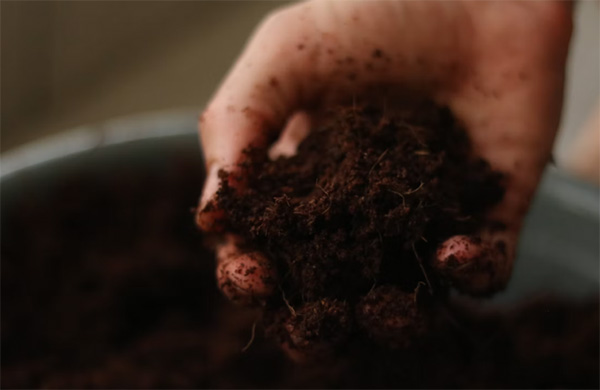
What type of soil do you have: compact, grainy, sand, clay, etc. You want something that will give plants necessary nutrients and allow water to disperse well. When planting, give each plant enough room to establish and grow a root system and enough room above soil to grow! If your soil is too compact, some plants may have a hard time sprouting. If it’s too loose, they might not be able to anchor themselves to the ground and fly away! (not really; they just won’t hold up and be able to produce as expected!)
pH
pH of the soil should be around 6 or 7. Too acidic or too basic and your plants will not grow well.
Soil Food
Composting, cow manure mixes (you can buy these), straw, and mulch are all really good soil foods to use in your garden! They provide nutrients to the plants, oxygen, and allow for moisture to be held. They also bring in bugs and worms that are helpful to maintaining the health of your soil.
- Composting: your veggie scraps, coffee ground, loose leaf teas and grass clippings/ papers, egg shells in vinegar, banana peels (anything that will eventually break down in a couple of months!)
- Soil Testing: Iowa State has a great site with information on soil testing to determine important nutrient and pH levels of your home soil. Please follow this link to learn more about home soil testing, including when to soil test, how to do it, and how to understand your results.
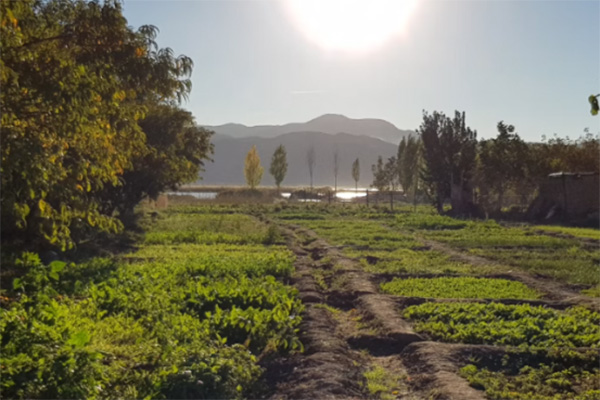
Normally, you will need at least 6 hours of pure and unblocked sunlight for your plants. You’ll want to find out the different requirements for each plant, as some may need more shade than others. Before starting to build your garden, take a few days or weeks to observe what the sunlight is like in the area you are considering.
It is important to know what planting zone you are in as this determines the different months/times that you can begin planting your different plants. Make sure to keep your planting zone in mind while you plan your garden and what you want to put in it and when. Grinnell is located in a 5b zone. Follow this 2023 USDA Plant Hardiness Zone Map | USDA Plant Hardiness Zone Map to find your planting zone.
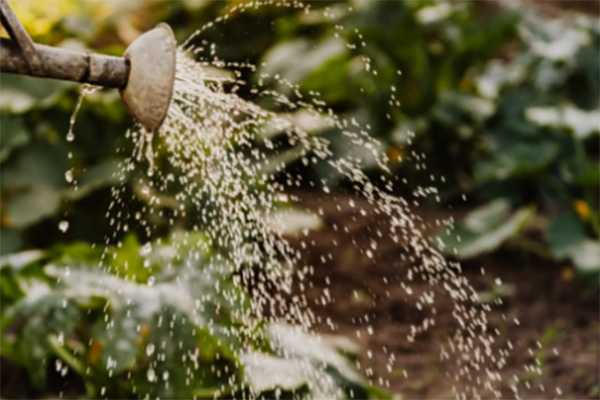
When watering, make sure you are watering the roots, not the foliage! The roots are the ones that absorb the water. Do not drown your plants with water; water them slowly and thoroughly. Make sure that you are not overwatering your plants; that is, do not water your plants if the soil is still wet/moist 1 to 2 inches below ground. When you first plant new plants, you will want to water them more consistently in order to help them get established.
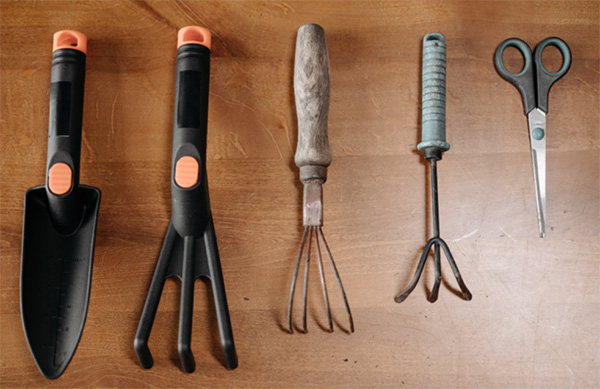 You’ll need a watering can or hose and gardening gloves (not necessary but definitely recommended!!). Hand pruners are good to have after your garden is established and a hand shovel (or hand trowel) is one of the most “handy” tools you can have. A hand rake can also be very helpful to turn the soil. If you have thicker weeds, investing in a weeder would be good!
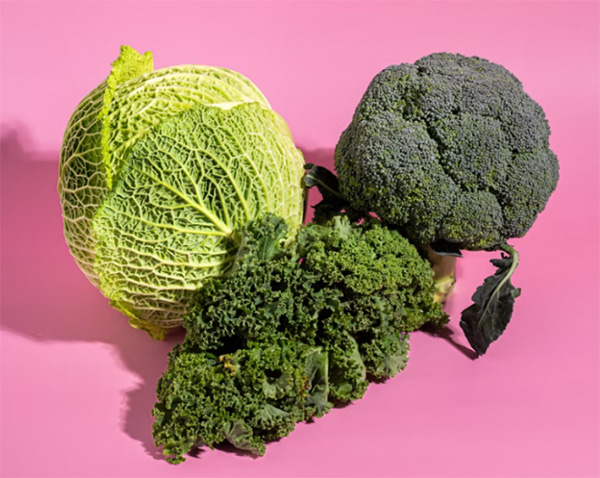 Here are some basic families of gardening that will be helpful to know when deciding what to plant next to each other and where to plant during a new season! Nightshade: tomatoes, peppers, eggplants, and potatoes. Cruciferous: cabbage, broccoli, kale, and radishes. Cucurbit: cucumbers, squash, zucchini, and melons. Legume/pea: peas, beans, and lentils. Umbellifer: carrots, celery, parsley, and cilantro.
Starting small is a great way to find what works and what doesn’t work! Don’t get frustrated if it doesn’t work out the first time around – gardening takes a lot of patience but it’s very rewarding and provides fresh food for you and those around you!
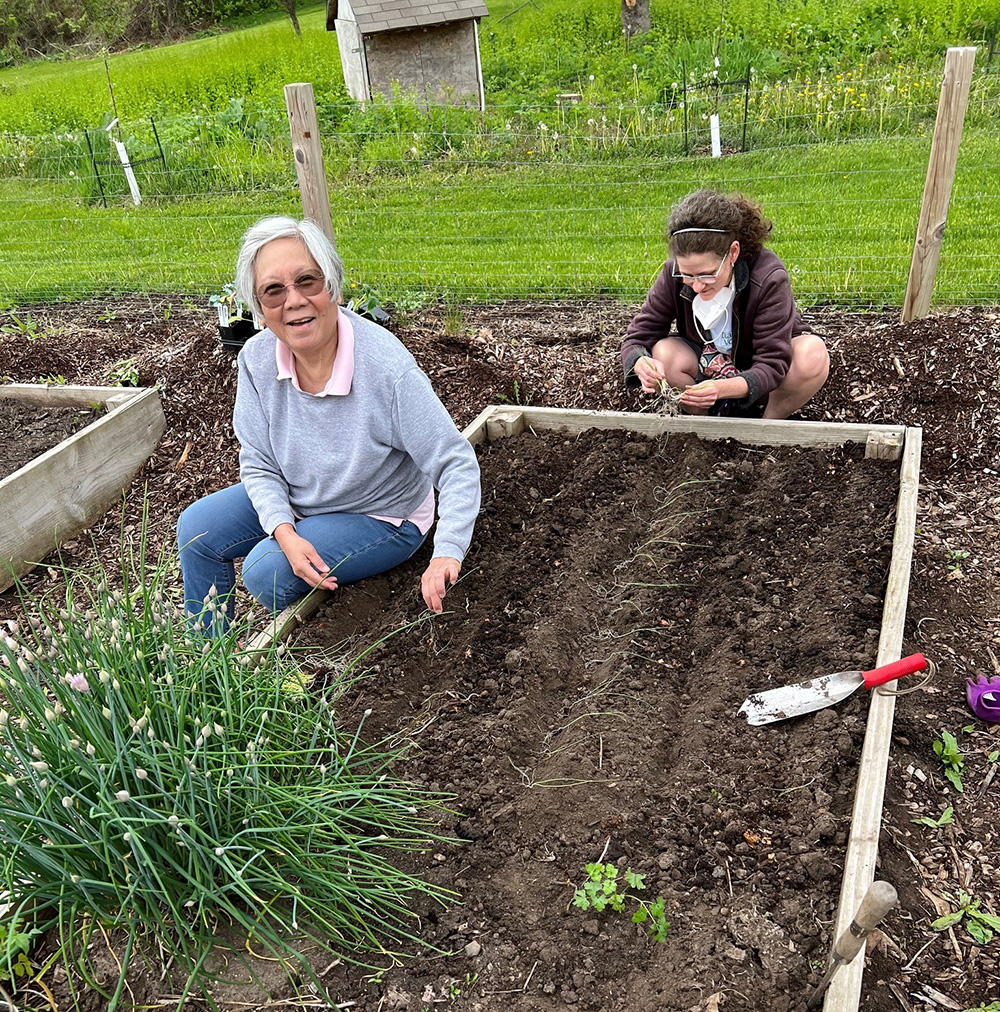
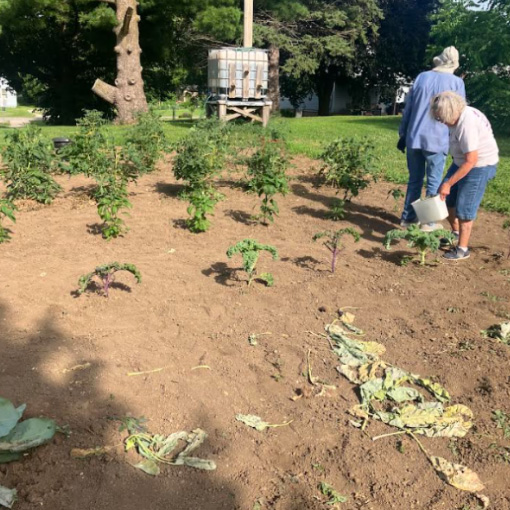
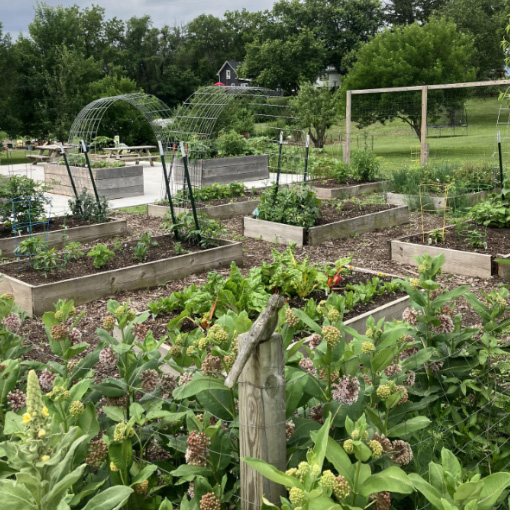
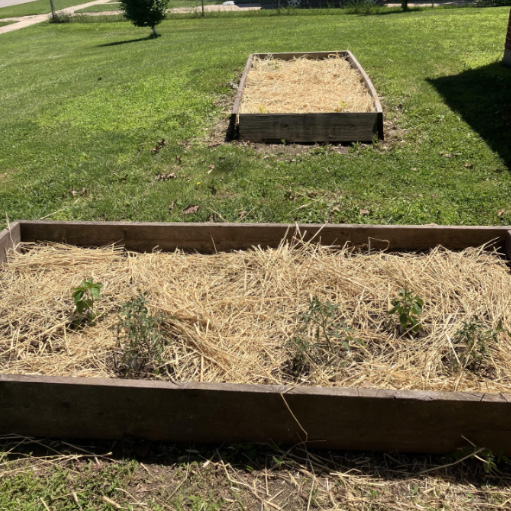
The best time to weed is when they are young so keep looking and checking in on your garden! You’ll want to get the roots of the weed out so that they can’t grow back. Easiest time to weed is after the soil is wet or moist as it is easier to get the roots out. Here are some common garden weeds and what they look like!
When to Harvest Your Garden
It often depends on the type of plant you are growing that determines the signs you can use to see when they are ready to harvest. Most of the time it is dependent on color, firmness, and size.
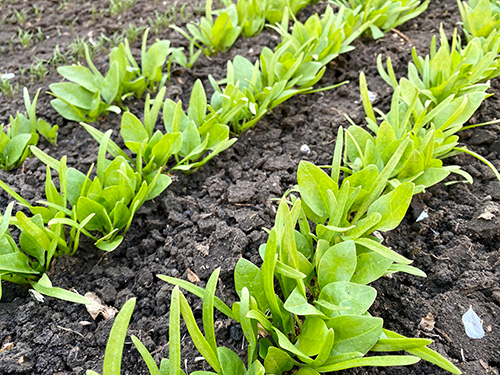
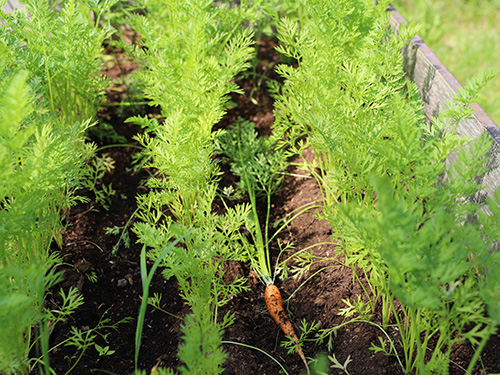
Please click the button below for more harvest tips on common plants.
What does it mean if my plants start flowering?
If your plant is going to produce vegetables (like cucumbers, zucchini, squash, etc.), flowering is a sign that your plant is on its way to producing food! These flowers will turn into the vegetable you will harvest later on. However, if they are flowering, but not producing, there are some reasons why this might be occurring: there might be a low number of pollinators (you could plant milkweed or zinnias to encourage bees or other pollinators to come to your garden), it could be too hot, or the soil could be too wet. Click the link below to learn more.
If your plant is being grown for the foliage, this is not a good sign. It means your plant is now directing more energy towards the production of flowers than it is to the desired foliage. If you see this happening, you can deadhead the flower or cut the flower off at the base of the flowering stem. This will allow the plant to redirect energy towards the parts you will soon enjoy! Fun Fact: In herbs or annual vegetables (lettuce, spinach, etc.), when they start to flower, this can be known as bolting! See these helpful guides below for more information on what herbs flower and what it means for those herbs.
If your potatoes start to flower then that means it has reached maturity and it’s ready to give its energy into creating potatoes! If the flowers do get pollinated it might grow a small potato, do not eat it, this is a seed potato that can be planted but does not taste good.

Veggies are still coming in strong at the area Giving Gardens! Stop by and pick your own today.
🍅 Tomatoes at Bailey Park Elementary School Giving Garden and Summer Street Park Giving Garden
💛 Spaghetti squash is ready at Bailey Park Giving Garden and Fairview Elementary - Grinnell Newburg School District Giving Garden
🔶 Check out the pumpkins too

Have you checked out the Giving Garden in your neighborhood? Tomatoes are popping at the Ahrens Park garden and Spaghetti squash is just about ready at the Fairview Elementary - Grinnell Newburg School District Giving Garden. Stop by your area garden to pick your own produce.
>>Garden locations: ahrensfamilyfoundation.org/giving-gardens/
📣A big thank you to the AmeriCorps members from this summer! They embraced their gardening era and helped the Giving Gardens become fruitful. 🍅
>>Check out all of the produce available around town.
>>Map to the gardens or at the link in our bio: ahrensfamilyfoundation.org/giving-gardens/
Stop by the Giving Garden at Bailey Park Elementary School and pick the harvest.
🍅 Cherry tomatoes
🥒 Summer Squash
📍Located on the east side of the school
Produce ready at Ahrens Park Giving Garden! Stop by and pick your own.
>>Zucchini, Cucumbers, peppers, and tomatoes 🍅
>>All 7 Giving Garden locations offer free, fresh produce for anyone in the community.
>>See the map for locations: ahrensfamilyfoundation.org/giving-gardens/